Organized by the National Commission for Justice and Peace (NCJP), Diocese of Hyderabad, on 5th December 2025
Gathering of Diverse Voices at St. Elizabeth Hospital
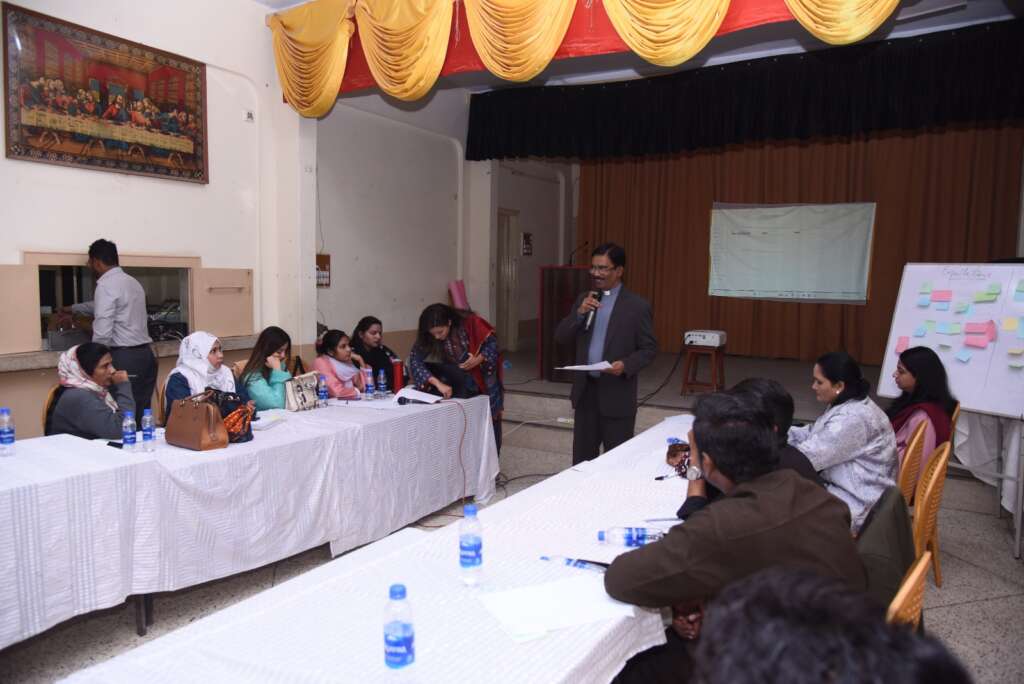
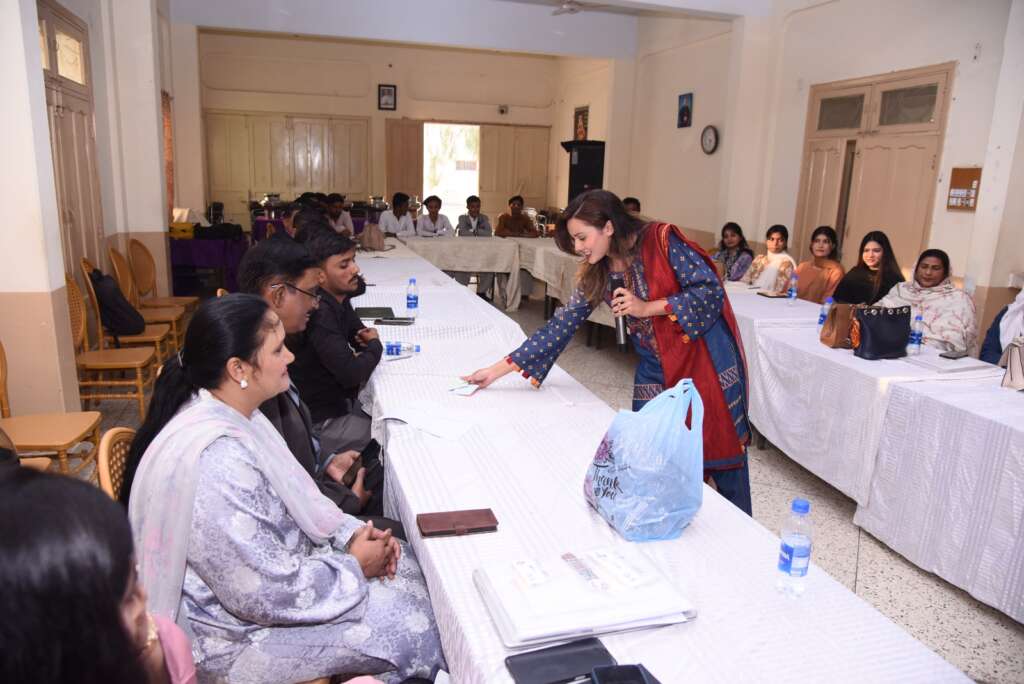
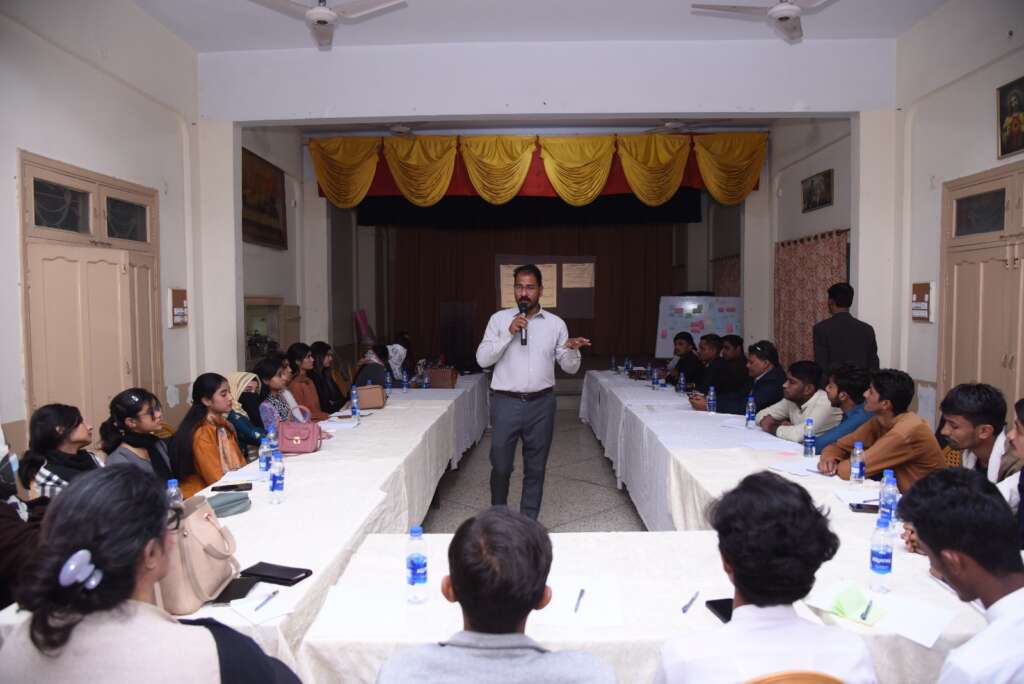
At St. Elizabeth Hospital in Latifabad, men and women from different communities and walk of life walked into the training hall, some curious, some nervous, and many driven by a desire to bring change. They were students, religious leaders, and other professionals who had witnessed injustice and refused to remain silent any longer. A group of 36 enthusiastic participants, for some, it was the first time anyone had told them:“Your voice matters. Your courage matters. Your community needs you. And NCJP is with you.”
A New Chapter for Human Rights in Hyderabad
The HEAT Program and Its Purpose
The training was part of a long-term initiative organized under the Human Rights Education and Activists Training (HEAT) program, and aimed at creating a strong local network of HRDs, orienting them on NCJP’s work and initiatives, and building their capacity on human rights.
Participant Enrollment and Selection
More than 120 individuals were initially enrolled through parishes and community representatives, each representing a different struggle and a different story. After selection, 35 passionate individuals were chosen to become the new frontline defenders of human rights in the current chapter.
The NCJP Team Behind the Training
The NCJP regional team, including Mr. Pervaiz Barkat and Ms. Jennica Rose, with the guidance of Diocesan Director Fr. Jamil Albert, organised the training and planned activities that made even the shyest participants smile, learn and comfortably contribute in the sessions.
Learning and Empowering Through Interactive Sessions
Introductions, Hopes, and Fears
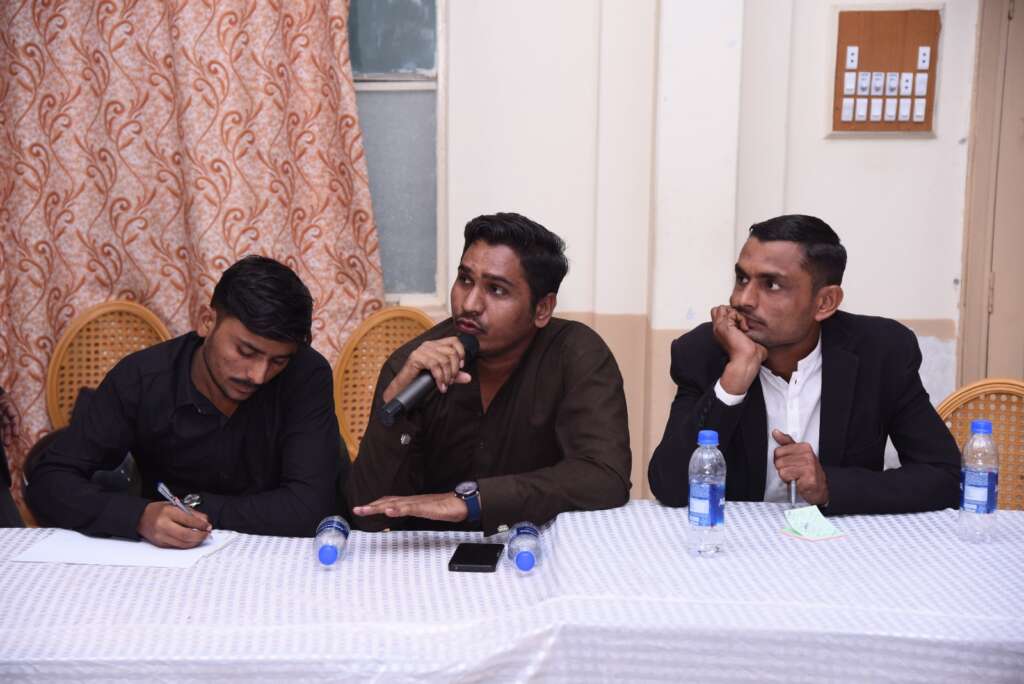
The sessions unfolded with the participants introducing themselves and sharing their experiences, their hopes “to learn,” “to serve,” “to protect” and also their fears “Will I be able to do this?”, “Is it safe?”, “Do I know enough?” Once spoken aloud, these fears softened, and a sense of unity took their place.
Mr. Pervaiz Barkat (Diocesan Coordination) facilitated the session, setting the base for understanding the “situation of human rights in Pakistan and fundamental rights”. For many, it was eye-opening to learn that fundamental rights are not privileges; they are promises made by the Constitution.
Minority Rights and Building an Inclusive Society
The discussion continued in the next session on “Minority rights and building an inclusive society, facilitated by Rev. Saleem Iqbal (priest and human rights defender). Defining the term ‘minority’ and elaborating on minority rights, the struggles of religious minorities in Pakistan, while the participants shared stories about some heartbreaking and some inspiring. The group explored the significance of living in a society where every individual, regardless of faith, is entitled to dignity and protection.
Online Activism and Safety — New Trends
Being the advocates of human rights, the new chapter of defenders were informed about the new ‘trends of online activism and staying safe online and offline’. Ms. Jennica Rose (desk officer) guided the participants on the emerging trends of online activism and how to protect themselves, their data, and their communities in online and offline.
Role of HRDs and Their Responsibilities in NCJP’s Work
Ms Merab Arif (National Coordinator- HEAT program) elaborated on the ‘role of HRDs and their responsibilities in NCJP’s work’. Participants were briefed on how to identify violations and report them to regional and national offices. They received guidelines and were informed about techniques for conducting fact-finding and reporting. NCJP’s Chat box was introduced to HRDs for sharing cases of violations that require assistance. Additionally, the opportunities available for active chapter members/HRDS, including playing their roles and fulfilling responsibilities, were shared with the participants.
Concluded and Way Forward
Commitment to Work for Marginalized Communities
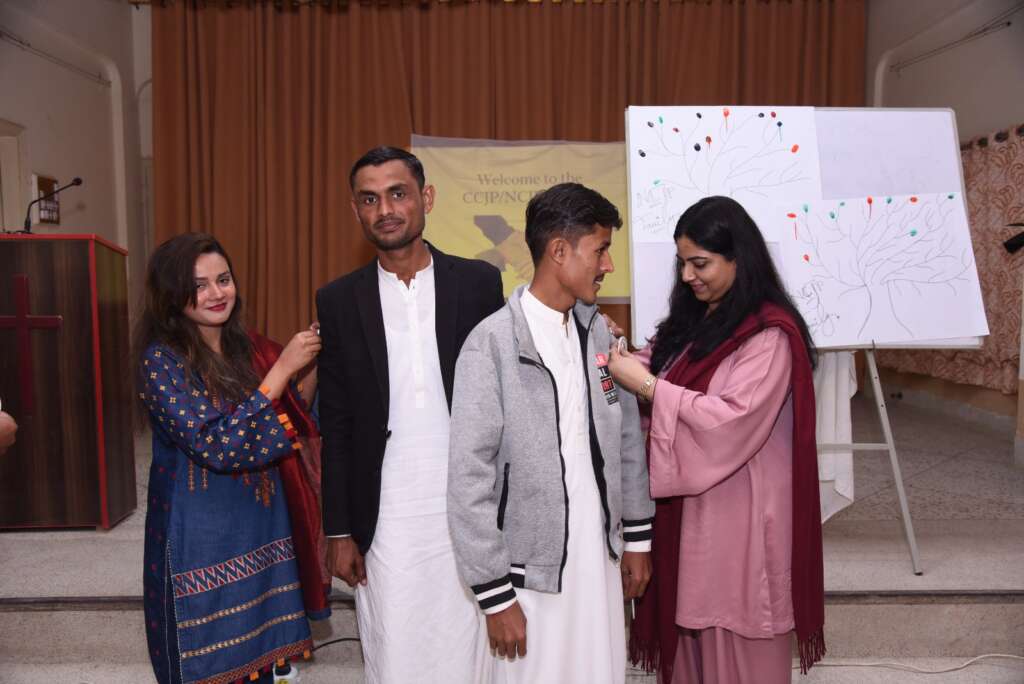
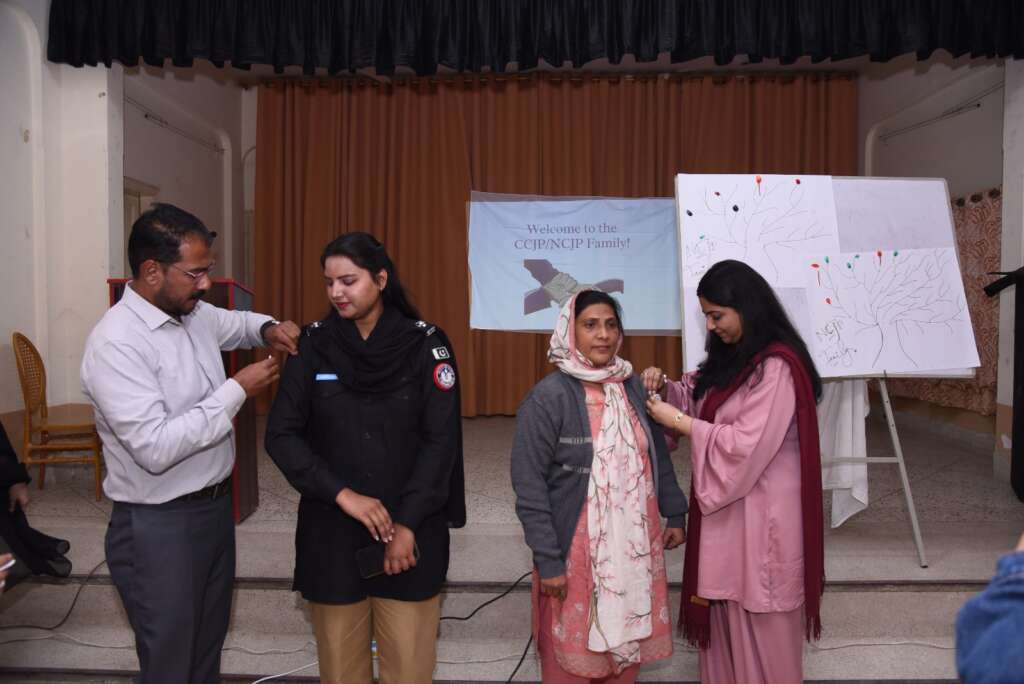
The training concluded with a new commitment to work for the marginalised communities. The participants were given badges and contributed through an activity by placing impressions in the CCJP tree.
Follow-Up Plans and Networking
Following the training, follow-up sessions with the HRDs will be conducted throughout and engage in networking and advocacy.